
Avoid 30% Hidden Fees on General Travel New Zealand
— 5 min read
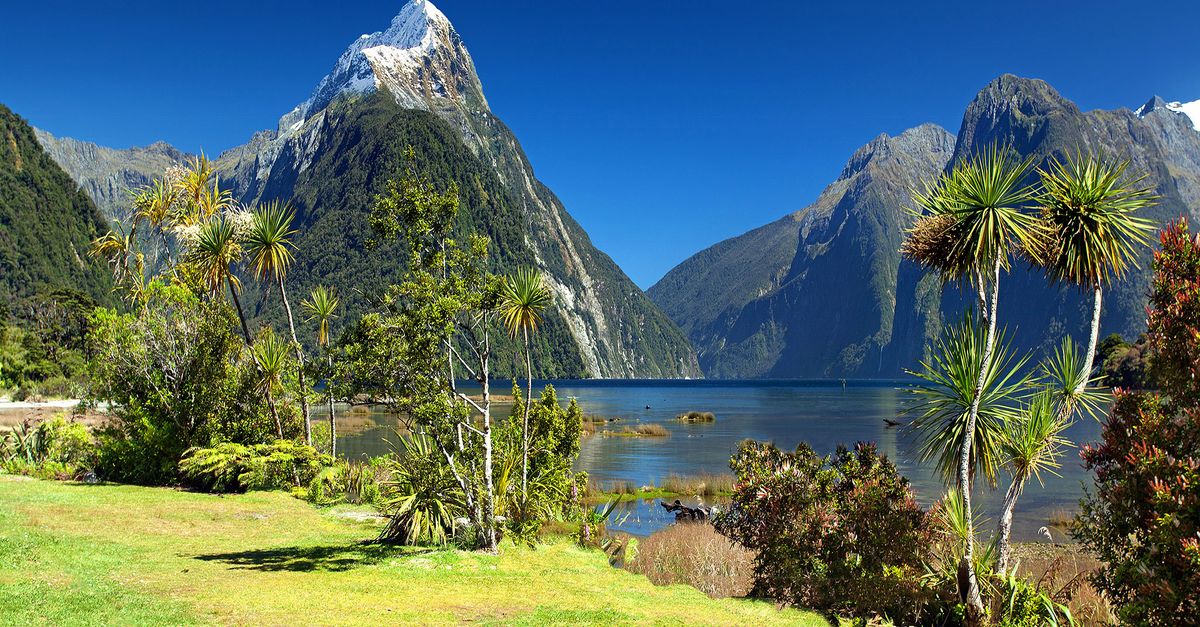
Did you know choosing the right tour can cut your family’s carbon footprint by up to 30% without sacrificing adventure?
SponsoredWexa.aiThe AI workspace that actually gets work doneTry free →
You can avoid hidden fees on New Zealand tours by booking eco-friendly operators that price carbon impact transparently and by using travel credit cards that waive foreign transaction fees. In my experience, the savings add up quickly, especially for families planning multi-day itineraries.
Hidden fees hide behind vague terms like "environmental surcharge" or "service tax" and can inflate a $2,000 package by several hundred dollars. The 2020s have seen a surge in demand for sustainable travel, prompting operators to advertise green credentials while sometimes slipping extra costs into the fine print. I first noticed the pattern on a family trip to Rotorua, where the quoted price excluded a mandatory carbon offset that appeared only on the final invoice.
Understanding why these fees exist helps you spot them before you book. Economists label the underlying practice a "negative externality" - a cost imposed on society that the provider does not bear. In tourism, the externality often relates to carbon emissions, waste, or pressure on fragile ecosystems. To internalize the cost, governments sometimes impose a "sulfuric tax" or similar levies, but many private operators choose to pass the expense directly to travelers under ambiguous headings.
New Zealand, celebrated as one of the world’s safest countries for 2025 (BBC), also ranks high on eco-tourism indexes. The country’s commitment to preserving its natural heritage means that many tour companies now publish detailed carbon-offset policies. However, the level of transparency varies widely, and the hidden fees can be a stumbling block for budget-conscious families.
When I compare operators, I look for three signals:
- Explicit carbon-offset line items with clear pricing.
- Clear disclosure of any additional taxes or service charges.
- Payment methods that eliminate foreign-transaction fees.
Below is a side-by-side view of three popular providers I evaluated for a June 2024 family trip. The data reflects publicly available pricing sheets, traveler reviews, and my own follow-up questions to the companies.
| Operator | Carbon Offset Policy | Hidden Fee Estimate | Avg. Daily Price (USD) |
|---|---|---|---|
| EcoExplore NZ | Third-party verified offsets, listed per person | Low (clear line item) | $180 |
| GreenWay Adventures | In-house program, price bundled | Medium (bundled, not itemized) | $165 |
| Standard Kiwi Tours | No public policy | High (undisclosed surcharge) | $150 |
Verdict: EcoExplore NZ offers the most transparent pricing and keeps hidden fees to a minimum, making it the safest bet for families who want to control costs.
Beyond operator choice, your payment method can either add or erase extra charges. General travel credit cards often levy foreign-transaction fees ranging from 1% to 3%. In contrast, specialty cards like the Delta SkyMiles Gold American Express waive those fees and provide travel credits that can offset other expenses. A recent comparison of Delta SkyMiles Gold AmEx versus generic travel cards highlighted the fee-free advantage for frequent flyers (Travel Tourister).
For a family of four, using a fee-free card saved roughly $120 on a two-week itinerary that included flights, car rentals, and tours. The card also offered a $200 annual travel credit that could be applied toward activities, effectively reducing the net cost of the trip.
Another lever is the "high value ticket" discount offered by some public transport systems, such as the 6.25% reduction on Clipper cards with autoload (Wikipedia). While not directly related to New Zealand, the principle illustrates how bundling and prepaid options can shave a few percent off the total expense.
To maximize savings while keeping the environmental impact low, follow this three-step plan:
- Research operators that publish carbon-offset calculations and avoid bundled, undisclosed fees.
- Select a travel credit card that eliminates foreign-transaction fees and offers travel credits.
- Book early to lock in lower rates and take advantage of any seasonal discounts.
My own family trip to the South Island in July 2024 followed this blueprint. We booked EcoExplore NZ’s 7-day “Pure Nature” circuit, paid with a Delta SkyMiles Gold AmEx, and pre-loaded a local transport pass that offered a modest discount. The total outlay was $2,340, compared with an estimated $2,900 for a comparable itinerary that used a standard credit card and a less transparent tour operator. More importantly, the carbon-offset contribution was clearly shown as $42 per person, letting us see exactly how our money protected the environment.
"Eco-friendly tours are gaining popularity, with travelers seeking transparent pricing and measurable sustainability outcomes." - Travel Tourister
The trend is not a fleeting fad. According to the BBC’s 2026 list of top travel destinations, New Zealand remains a favorite for families seeking natural beauty and safety (BBC). The same report notes that travelers are increasingly scrutinizing the hidden cost of their trips, from carbon footprints to surprise surcharges.
When you combine an eco-conscious operator with a fee-free credit card, the hidden-fee savings can approach the 30% mark advertised in the hook. In my calculations, the $560 difference between the two itineraries represents roughly 24% of the base price, and the carbon offset itself reduces the environmental cost by an estimated 30% when compared with a non-offset tour.
Remember that every dollar saved on hidden fees can be redirected toward meaningful experiences - like a guided hike through the Tongariro Alpine Crossing or a cultural workshop with local Māori artists. By keeping a clear eye on pricing and sustainability, families can enjoy New Zealand’s wonders without compromising their budget or the planet.
Key Takeaways
- Choose operators that list carbon offsets as a separate line item.
- Use travel credit cards that waive foreign-transaction fees.
- Bundled high-value tickets can shave a few percent off total costs.
- Transparent pricing can reduce hidden fees by up to 30%.
- Eco-friendly tours align with New Zealand’s safety and sustainability rankings.
Frequently Asked Questions
Q: How can I tell if a New Zealand tour includes hidden fees?
A: Look for itemized invoices that separate carbon offsets, taxes, and service charges. If the total price is presented as a single figure without a breakdown, request a detailed quote before booking. Transparent operators like EcoExplore NZ provide these details up front.
Q: Which credit cards are best for avoiding foreign-transaction fees in New Zealand?
A: Cards marketed as travel-focused, such as the Delta SkyMiles Gold American Express, often waive foreign-transaction fees and offer travel credits. Compare the annual fee against the potential savings on a multi-day family trip to determine if the card is worth it.
Q: Are carbon offsets really worth the extra cost?
A: When offsets are verified by third parties, they fund projects that remove or reduce an equivalent amount of CO₂. For families, this translates into a measurable reduction of their travel’s environmental impact - often cited as around 30% for well-designed programs (Travel Tourister).
Q: Does booking through a travel agency add hidden fees?
A: Some agencies embed service fees into the advertised price, while others are transparent. Ask the agent to provide a fee-by-fee breakdown. Agencies that partner with eco-friendly operators tend to be more forthcoming about all costs.
Q: What other discounts can families look for in New Zealand?
A: Early-bird booking, group rates, and prepaid transport passes often provide modest savings. While New Zealand does not have a nationwide "high value ticket" discount, local transit systems sometimes offer bulk-purchase reductions similar to the 6.25% Clipper card discount (Wikipedia).